If you’ve ever wondered whether drive-thru car washes are safe for your vehicle, you’re not alone. With so many options available, from DIY home washing to automated tunnels, it’s natural to question what’s best for your car’s finish, mechanical components, and overall longevity.
Let’s explore the safety of drive-thru car washes, how modern facilities like GO Car Wash prioritize vehicle protection, and what you can do to ensure a clean, scratch-free experience every time.
What Is a Drive-Thru Car Wash?
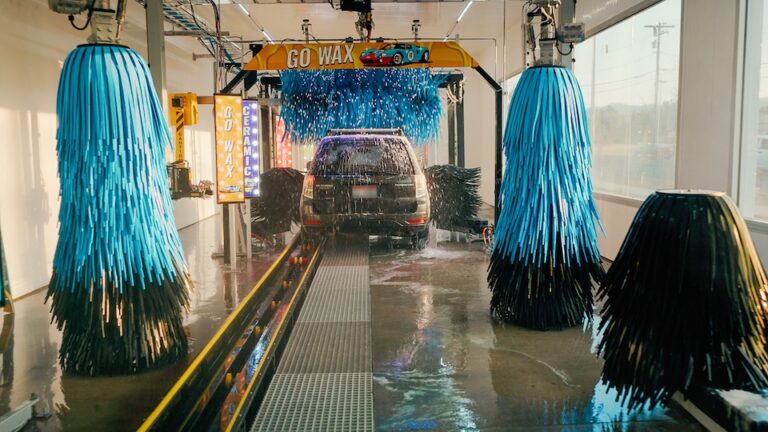
A drive-thru car wash (also known as an automatic or tunnel car wash) is a system where you stay in your vehicle while it moves through a series of cleaning mechanisms, including brushes, high-pressure water jets, foam, and drying systems.
Unlike self-wash bays or hand-washing at home, drive-thru washes are designed for speed, convenience, and consistent results. But are they safe? Let’s dig deeper.
Common Safety Concerns About Drive-Thru Car Washes
When people ask, “Are drive-thru car washes safe?”, they’re typically worried about:
- Scratches and swirl marks
- Damage to antennas, mirrors, wipers, or trim
- Underbody or mechanical part damage
- Electrical system damage
Let’s address each concern with facts.
1. Scratches, Swirl Marks, and Paint Safety
Fact: Modern Drive-Thru Car Washes Are Gentler Than You Think
Many drivers worry that the brushes and cloth strips in automatic washes will scratch their paint. However, today’s most advanced drive-thru car wash businesses (like GO Car Wash) use soft, high-quality materials designed to minimize abrasion.
Here’s how modern systems protect your paint:
- Soft cloth or foam instead of hard bristles
- High-pressure rinses that remove debris before brushes engage
- Ceramic or polymer coatings that reinforce paint protection
Pro Tip: Always choose a wash that pre-rinses your car to remove loose dirt and grit — this dramatically reduces the chance of scratches because there’s less solid debris being rubbed across your paint surface.
Compared to washing at home with a dirty bucket, sponge, or brush (a common scenario that actually increases the chance of swirl marks), a well-maintained automatic wash is often safer for your car’s finish.
2. Can Mirrors, Antennas, or Trim Get Damaged?
Answer: It Depends — But Most Systems Are Designed to Avoid It
Older or poorly maintained washes with rigid brushes could sometimes bend mirrors or strain flexible antennas. But today’s premium drive-thru washes feature:
- Sensors that detect vehicle width and height
- Flexible materials that yield under pressure
- Guided rails that keep your vehicle centered
With these improvements, the risk of exterior trim damage is minimal, especially when operators regularly maintain their equipment and update technology (read our Ts and Cs here).
That said, if you have aftermarket parts like oversized mirrors, roof racks, or a tall antenna, it’s always a good idea to:
- Fold in mirrors if possible
- Remove or retract antennas before entry
- Double-check height clearance signs
You should also avoid a mechanical car wash if you have any loose parts, pre-existing damage, or unsecured items on or in the vehicle. Speak to an expert if you’re unsure. These steps help ensure a safe, stress-free wash.
3. What About Undercarriage and Mechanical Components?
Answer: Safe, High-Pressure Undercarriage Washes Are Beneficial
One of the biggest myths about drive-thru car washes is that they can damage mechanical parts under your vehicle.
Many drive-thru car washes today include undercarriage rinses to remove:
- Road salt
- Sand and grime
- Mud and debris
This process is beneficial for your vehicle. Built-up salt and grit can accelerate rust and corrosion, especially during winter. So, an undercarriage wash can clean and protect your car rather than damaging it.
Modern wash systems target only dirt and corrosion-causing particles, not delicate mechanical components. They’re engineered with calibrated pressure that’s strong enough to clean, but not strong enough to harm these systems, including:
- Suspension parts
- Exhaust system components
- Brake lines
- Fuel lines
So yes, undercarriage cleans actually help extend the life of your vehicle.
4. Is the Electrical System at Risk?
Answer: Not When the Wash Is Built for Today’s Cars
Some drivers worry that water near sensitive electrical parts (like sensors or cameras) could cause damage.
Modern wash facilities like GO Car Wash are designed with vehicle electronics in mind, including:
- Camera-friendly wash settings
- Controlled water temperature and pressure
- Safe drying processes
Manufacturers and professional car wash systems recognize how common advanced driver-assistance systems (ADAS), parking sensors, and backup cameras have become. As a result, most automatic washes accommodate them safely.
Advantages of Drive-Thru Car Washes Over DIY
Comparing drive-thru washes to washing your car at home highlights several safety and value advantages:
1. Reduced Risk of Paint Damage
Using a bucket, sponge, and hose at home (especially with grit still in your cloth) can cause more scratches than a professional wash.
2. Water Conservation
Professional car washes recycle and filter water more efficiently than most home wash setups, making them eco-friendlier.
3. Fast, Hassle-Free, and Consistent
No setup. No drying in the sun. No missed spots. Drive-thru car washes get you clean in minutes with consistent quality.
Tips to Maximize Safety at Any Drive-Thru Car Wash
To ensure the safest wash possible, follow these expert tips:
- Remove or secure loose accessories.
- Fold in mirrors when possible.
- Check ground clearance and height signs.
- Choose a wash with advanced paint-friendly technology.
- Avoid washing heavily soiled vehicles without a pre-rinse, as this can drag debris across the surface.
- Speak with an expert if you are unsure if an automated car wash is safe for your vehicle.
These simple steps drastically reduce the already minimal chance of issues.
Why GO Car Wash Is a Safe Choice
At GO Car Wash, safety and protection are top priorities. Members enjoy:
- Soft cloth or touch-free systems
- Advanced pre-rinse and rinse technology
- Undercarriage cleaning for corrosion prevention
- Priority lanes and fast service
- No long-term contracts or hassles
Whether you wash once a week or every day, GO Car Wash balances speed, convenience, and vehicle safety so you can enjoy a sparkling clean car without worry.
Final Verdict: Are Drive-Thru Car Washes Safe?
Yes, when done properly, drive-thru car washes are safe for your vehicle and can even be better for your paint and undercarriage than washing at home. With modern materials, sensor systems, and calibrated pressures designed for today’s car builds, the risk of damage is extremely low.
When you are ready to enjoy a drive-thru car wash, visit your nearest GO Car Wash location for a safe, effective clean you can enjoy.