How Drive-Thru Car Washes Save Water
Water is one of our most valuable natural resources, yet many drivers don’t realize how much water they use when washing their vehicles, or how much they can save by choosing the right option. While washing your car at home might seem convenient or cost-effective, it’s often far more wasteful than drivers realize.
Let’s explore how drive-thru car washes save water, why they are better for the environment than home washing, and how modern professional car washes like GO Car Wash are leading the way in sustainability without sacrificing cleanliness or convenience.
The Hidden Water Cost of Washing Your Car at Home
Most drivers assume washing their car at home is the “greener” option. After all, you’re just using a hose and some soap, how bad could it be?
The reality is surprising.
How Much Water Does a Home Car Wash Use?
According to industry and environmental studies, washing a car at home can use 140+ gallons of water, and sometimes even more. Here’s why:
- A standard garden hose uses 8–12 gallons per minute
- Most home washes last 15–20 minutes
- Water runs continuously while scrubbing, rinsing, and re-soaping
Much of that water flows unchecked into storm drains, carrying soap, oil, dirt, and heavy metals directly into local waterways.
How Drive-Thru Car Washes Use Less Water
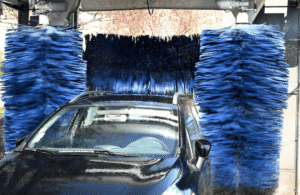
Modern drive-thru car washes are engineered for maximum efficiency and minimal waste. Unlike home washing, every drop of water is carefully measured, recycled, and reused.
A professional drive-thru car wash typically uses 30–60 gallons of water per vehicle, less than half of what a home wash uses.
Even better, much of that water is reused.
1. Advanced Water Recycling Systems
One of the biggest reasons drive-thru car washes save water is reclamation technology.
How Water Recycling Works
At facilities like GO Car Wash:
- Water used during the wash is collected
- Debris, dirt, and contaminants are filtered out
- Water is treated and reused for pre-soaks, underbody washes, and rinses
- Fresh water is reserved for final rinses only
- Some professional car washes reuse up to 80% of their water, dramatically reducing overall consumption.
At-home washing? Nearly 100% of that water is wasted.
2. High-Pressure, Low-Volume Systems
Drive-thru car washes use precisely calibrated high-pressure nozzles that clean more effectively with less water.
Why Pressure Beats Volume
- High-pressure water breaks down dirt faster
- Less water is needed to achieve better results
- Targeted sprays reduce runoff and overspray
In contrast, a garden hose relies on volume, not efficiency, meaning more water, more waste, and less effective cleaning.
3. Controlled Wash Cycles Eliminate Waste
At home, water runs whether it’s needed or not. In a drive-thru car wash:
- Water flows only when required
- Each wash stage is timed and automated
- No unnecessary rinsing or overflow occurs
This controlled environment ensures consistent results with minimal water usage, every single time.
4. Eco-Friendly Soaps and Detergents
Water conservation is about using less water and regulating what goes down the drain.
Professional-Grade, Environmentally Responsible Products
Drive-thru car washes use:
- Biodegradable detergents
- Low-phosphate and low-toxicity cleaners
- Formulas designed to work with recycled water
These products are safer for the environment and designed to rinse efficiently, requiring less water overall.
Home car washes often use household soaps that:
- Strip protective wax
- Harm paint
- Pollute stormwater systems
5. Preventing Stormwater Pollution
When you wash your car in your driveway, wastewater typically flows into storm drains, not sewer systems. That water is not treated before entering rivers, lakes, and streams.
What’s in That Runoff?
- Oil and grease
- Brake dust and heavy metals
- Dirt and road grime
- Soap chemicals
Professional drive-thru car washes are connected to sanitary sewer systems, where wastewater is treated before release, protecting local ecosystems and drinking water supplies.
6. Washing Your Car Less Often Saves More Water
Another overlooked benefit of professional car washes is longer-lasting cleanliness.
Why Professional Washes Last Longer
- Stronger pre-soaks lift contaminants
- Spot-free rinses prevent residue
- Wax and sealants repel dirt and water
That means your car stays cleaner longer, reducing how often you need to wash it and saving even more water over time.
The Environmental Impact Adds Up
Let’s put it into perspective.
If one person switches from home washing to a drive-thru car wash and saves 70 gallons per wash, and washes their car twice a month:
- That’s 1,680 gallons per year
- Multiply that by thousands of drivers
- The result is millions of gallons conserved annually
Choosing a drive-thru car wash is a meaningful environmental decision.
How GO Car Wash Leads in Water Conservation
At GO Car Wash, we build sustainability into the wash process from start to finish.
- Water Reclamation Technology: Our locations efficiently capture, filter, and reuse water.
- Efficient Wash Equipment: Advanced spray systems clean better with less water.
- Eco-Friendly Products: We use detergents and protectants designed for performance and environmental responsibility.
- Consistent, Controlled Results: No wasted water, just a clean car, every time.
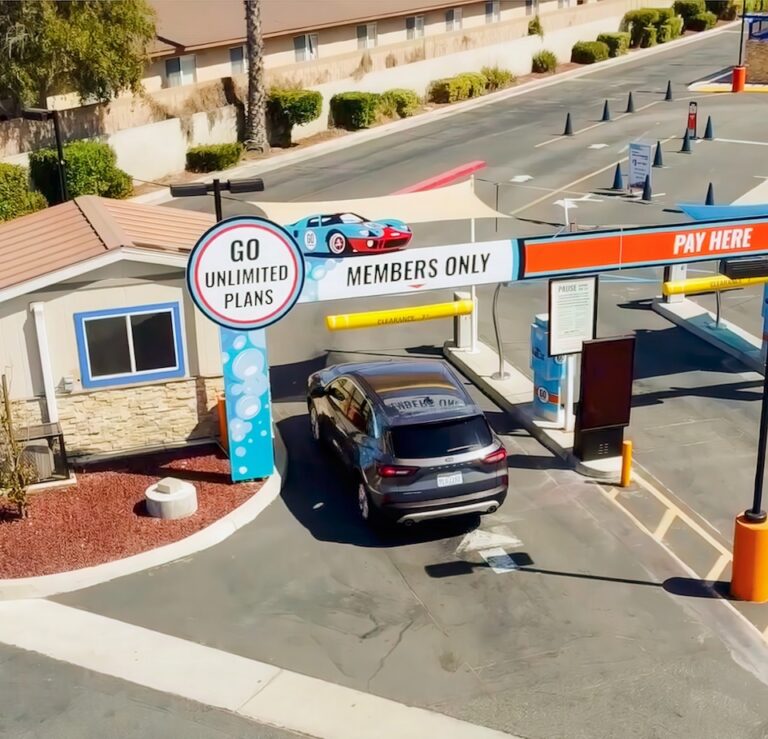
- Unlimited Wash Memberships: Wash as often as you need without increasing water waste.
Is a Drive-Thru Car Wash Really Better for the Planet?
The answer is a clear yes.
When compared to home washing, drive-thru car washes:
- Use significantly less water
- Recycle the majority of that water
- Prevent pollution of natural waterways
- Deliver better results with fewer resources
It’s a win for your car, your schedule, and the environment.
GO Car Washes: Clean Car, Clear Conscience
Water conservation matters more than ever, and small choices can make a big difference. Washing your car at a professional drive-thru car wash is one of the easiest ways to reduce water waste without sacrificing cleanliness or convenience.
By choosing GO Car Wash, you’re helping protect a vital natural resource for future generations.
Explore GO Car Wash services today or find a location near you to get started!