We’ve all seen a car with a thick layer of dust you could write your name in, bird droppings that have practically become part of the paint job, and a windshield so grimy it is hard to see through. It’s easy to think skipping washes is a harmless way to save time or money. It isn’t.
Let’s explore what happens when a car goes unwashed for months (or years), and why a regular wash routine is one of the easiest ways to protect your investment.
Your Paint Takes the Hit First
Your car’s paint is a protective barrier, and it’s under constant assault from things you can’t always see, including:
- Bird droppings are acidic and can eat into clear coat within days if left in direct sun.
- Tree sap hardens and bonds to paint, becoming harder to remove the longer it sits.
- Road salt (especially in winter climates) accelerates rust and corrosion on the undercarriage and body panels.
- UV rays combine with dirt and grime to break down your clear coat faster than on a regularly washed car. Read more about protecting your car from heat and UV damage here.
- Bug splatter contains enzymes that can etch into paint, especially on the front bumper and hood. Read more about the harms of bug splatter and sap here.
Individually, these seem minor. Stacked up over months of neglect, they add up to real, often irreversible, damage.
Rust Doesn’t Wait for Permission
Rust is patient, and it loves the spots you’re not looking at. Dirt, salt, and moisture can collect in wheel wells, along the undercarriage, and around door seams (which are exactly the places most people forget to check).
Once rust starts, it doesn’t stay put. It spreads, weakens metal, and can eventually turn into a structural issue. A regular car wash, especially one that includes an undercarriage rinse after winter roads or beach trips, gives you a real fighting chance against rust.
Damage Is Not Just the Outside
The exterior gets all the attention, but a car that never sees a wash is usually just as neglected inside, which presents its own set of problems:
- Odors build up from spilled drinks, food, pets, and general use, and they only get worse over time.
- Dust and allergens accumulate on vents, dashboards, and upholstery, which can affect air quality every time you turn on the AC or heat.
- Stains set in permanently the longer they’re left untreated.
- Grime on windows and mirrors reduces visibility and car safety.
- Sand in your carpets or flooring can be abrasive, causing damage to your floor mats (which may then need to be replaced) and your car flooring (which cannot be easily replaced or repaired).
- Pests can be attracted to leftover food and spills, especially during warmer months or when parking in grassy areas.
Your Resale Value Quietly Drops
Even if you’re not planning to sell your car anytime soon, an unwashed vehicle is losing value every day. Dealers and private buyers notice a neglected exterior immediately, and it shapes their expectations before they even look under the hood.
Think about it from a buyer’s perspective:
- A grimy, faded exterior signals “poorly maintained” even if the engine is perfect.
- Rust spots or corrosion are immediate red flags that can tank a trade-in offer.
- Stained interiors and lingering odors are some of the fastest ways to lose a sale.
- First impressions happen in seconds, and a dirty car rarely gets a second look.
A clean, well-maintained vehicle tells a buyer the car has probably been well cared for. A neglected one tells them the opposite (whether that’s true or not).
The Small Stuff Adds Up to Bigger Repairs
We all know that skipping washes can affect how your car looks. However, it can also shorten the lifespan of certain parts:
- Grime buildup around door seals and window tracks can cause them to wear out or stick faster.
- Dirt and debris around wiper blades reduce their effectiveness and lifespan.
- Undercarriage buildup can interfere with brake lines and exhaust components over time.
- Clogged grille and vent areas can reduce airflow to the engine and radiator.
None of these are dramatic on their own. But a car that goes without a proper wash is quietly accumulating small issues that eventually become expensive ones.
So, How Often Should You Actually Wash Your Car?
Most experts recommend washing your car every one to two weeks, with more frequent washes if you’re dealing with:
- Winter road salt
- Beach trips or coastal air
- Heavy pollen season
- Regular dirt or gravel road driving
- Daily commuting with lots of stop-and-go traffic
- Young children or pets (and the messes they bring to interiors)
You can read our full guide on how frequently you should get a car wash here.
How to Make Car Washing Easier
Wanting a clean car is easy, but actually getting there can be difficult for many drivers. Life gets busy, and a full wash feels like a bigger task than it needs to be. That’s really the whole problem to solve: removing the friction so washing your car becomes something you actually do.
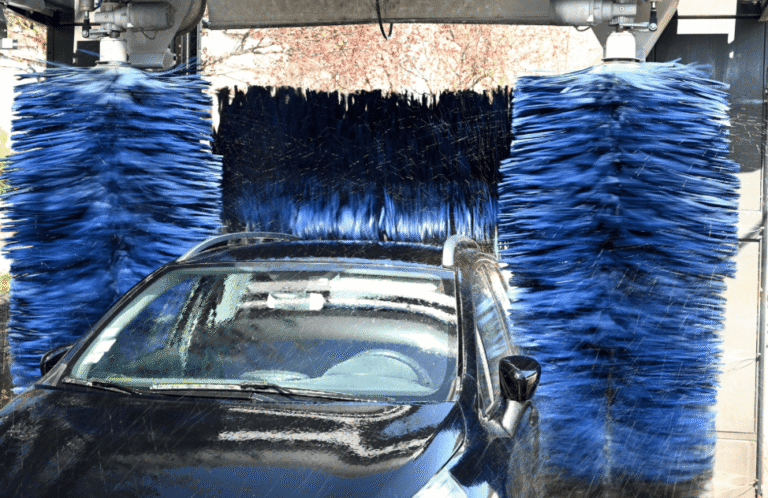
That’s exactly what a drive-thru wash is built for. At GO Car Wash, you can pull in, get a professional-grade clean with premium soaps and modern equipment, and be back on the road in no time.
Free vacuums, towels, and glass cleaner are included with every visit, so it is easy to give the interior the same attention as the exterior.
And for drivers who like to stay ahead, the benefits of an unlimited car wash membership make regular washing even easier. One flat rate, unlimited visits, and a car that never has the chance to reach “unwashed for years” territory in the first place.
Kick the Habit: Keep Your Car Clean with GO
Never washing your car is a decision that can cost you in paint damage, rust, air quality, resale value, and eventually, repair bills. Thankfully, a few minutes every week or two is all it takes to protect the investment you’ve already made.
Find a GO car wash location near you, get your first wash for free, or explore our membership options to get started today!